Custom Copper Roofing

Add character, durability and curb appeal to any commercial property

When properly designed and installed, a copper roof provides an economical, long-term roofing solution

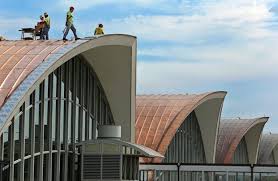
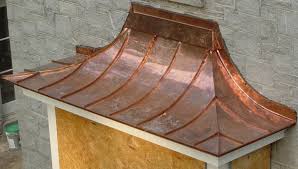
Copper has been a prized roofing material by architects throughout history.  Once copper changes color from bright metal to its notable green patina, it actually becomes more durable. Through natural weathering, an oxide-sulfate coating (patina) forms and protects the underlying copper surface and makes it especially resistant to corrosion in most environments. Copper’s resistance to the elements ranks it among the highest of modern roofing materials.

Copper offers a character, durability, and an aesthetic that complements any building style – from traditional to modern. Its warmth and beauty make it a preferred material for many architects. And since copper is such a flexible material, it can easily be installed on irregular or uneven roof shapes.

Although copper can be expensive to install initially, its low life-cycle costs are attributable to
  • Low-maintenance
  • Long life span
  • Salvage value

A special roof takes special expertise. Trained, experienced, experts at Schena Roofing fabricate and install to your specifications, drawings, and/or building needs. Our in-house facility ranks among the best in the state of Michigan from Detroit to Grand Rapids.

Let’s get started
Copper roofing

What are the benefits of a copper roof?

  • Minimal Maintenance – Since copper panels will never rust or corrode, there’s virtually no maintenance required. Because it can expand and contract during certain weather conditions, a simple annual inspection of joints and fasteners is usually all it takes to ensure your roof is intact.
  • Longevity — Once your copper roof is installed, it’s likely you’ll never have to worry about replacing it in your lifetime. It is by far one of the longest lasting materials on the market.
  • Flexible and Lightweight – The ductility and malleability of copper make it an easy material to form over irregular roof structures. Additionally, copper is an extremely light roofing material. Less weight means less stress on the building’s internal structures.
  • Sustainability — Copper is the perfect option as an eco-friendly, sustainable roofing material. It’s 100% recyclable and loses absolutely no quality after being recycled. And don’t forget copper’s high salvage value.
  • Visually Attractive – Copper roofing complements any building style, whether it’s a traditional or modern. And since copper is a natural metal, it will patina over time.
  • Resistant to Harsh Weather — From extreme temperatures to extreme weather conditions, copper roofing is high-performing and unbelievably durable. In regions where heavy snow or rainfalls are common, copper roofs are light enough to allow snow fall off the roof naturally without causing damage to the structure of the building. In particularly dry areas, copper roofing will withstand fire as it’s not flammable.
  • Energy Efficient – All metal roofing materials are energy efficient as they reflect light and prevent heat from entering the structure.
Copper roofing

Your team quickly recognized what was needed and skillfully executed each phase of the project.

Steve ShotwellPresident Board of Trustees, Ford Piquette Avenue Plant

Frequently asked questions

What makes copper roofing different from other metal roofs?

  • Copper has a protective patina that resists corrosion
  • Copper roofing is softer and more malleable, ideal for curved or ornate details
  • Copper requires no painting or coatings, it’s 100% recyclable

Will a copper roof changes color over time?

Yes.

  • Copper naturally oxidizes and changes from a shiny orange to brown, then to green (verdigris patina) over 5-20 years
  • This patina protects the roof from further corrosion

What types of copper roofing systems are available for commercial use?

  • Standing seam copper panels (most common for commercial use)
  • Flat-lock or batten seam systems (used on domes, curved surfaces)
  • Copper shingles or tiles (for a traditional, modular look)
  • Architectural accents like gutters, flashings, cornices, and domes

We’re committed to you, your project, your budget, and your timeline.

It all begins with a consultation where we’ll look at your project’s requirements and develop a plan that works for you.