
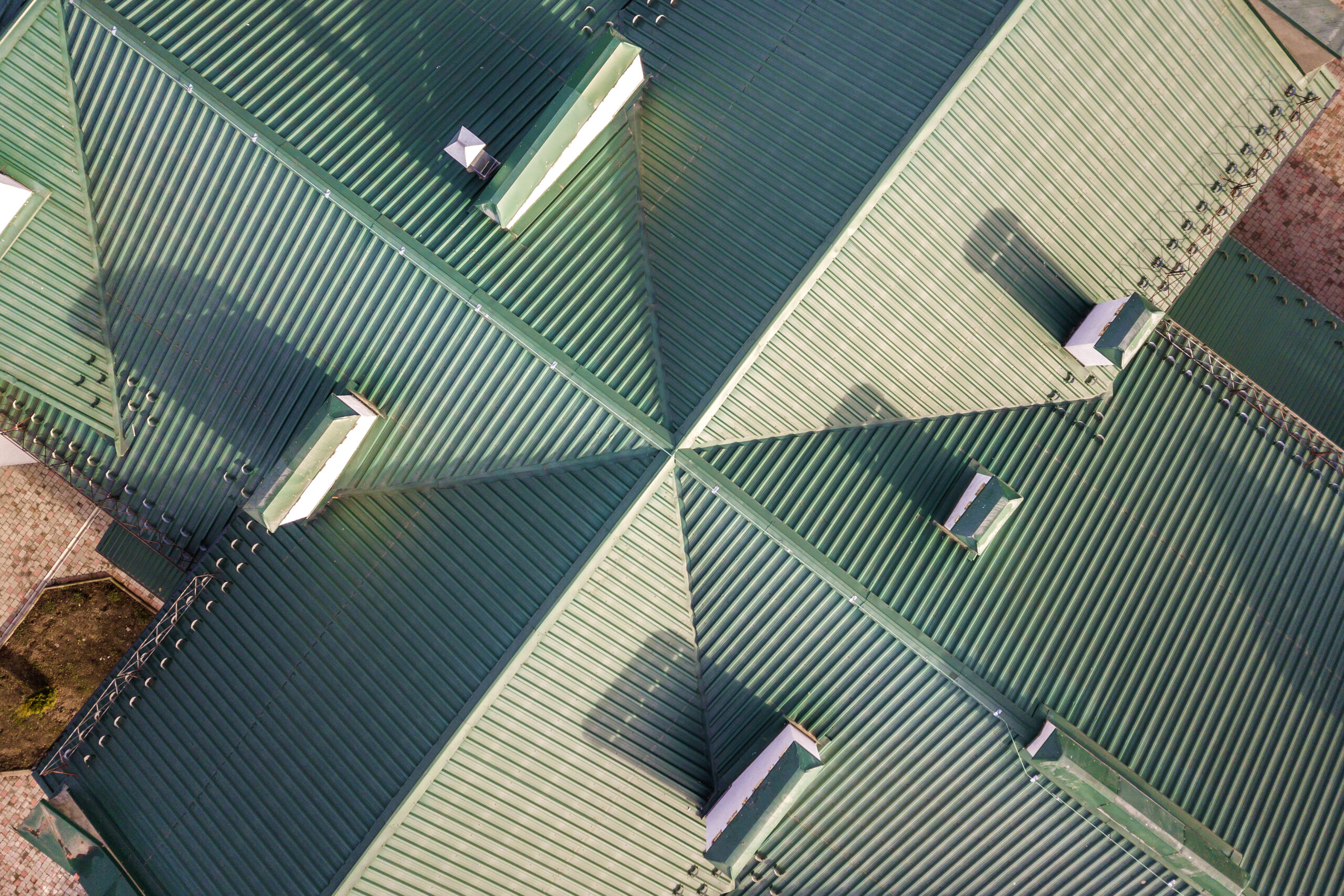
Fall drain and scupper cleaning may reduce ponding and winter leaks on Detroit commercial roofs. A professional service removes debris, reviews seams and flashings, and documents each area with photos. Schedule semi-annual visits, and, when possible, bundle minor repairs while crews are on site.
Introduction
A windy weekend dumps leaves across your roof. By Monday, strainers vanish under a mat of wet debris.
A focused fall plan clears drains and documents conditions for winter. You avoid roof access for your staff and keep records in one place for budgets and warranties
Why do fallen leaf drop clog Metro Detroit’s roof drains?
Leaves, seed pods, and dust create a dense mat over strainers and scuppers. Water slows, hydrostatic pressure rises at seams, and small defects can turn into leaks as temperatures swing. Internal drains common in Detroit, Dearborn, Southfield, Livonia, Warren, Sterling Heights, Farmington, Troy, Auburn Hills, Ann Arbor, and Bloomfield are especially prone to seasonal clogging.
A fall roof inspection and cleaning help restore drainage before freeze–thaw cycles lock debris in ice.
What does professional commercial roof drain cleaning include?
A typical visit clears debris roof-wide, and when necessary, removes and cleans strainers, clears scuppers and conductor heads to improve drainage. A professional roofer reviews nearby seams, pitch pans, and flashings, performs minor corrective work, and provides photo documentation with recommendations.
This service may reduce ponding risk and support typical warranty expectations.
What are the business risks of clogged drains and scuppers?
Ponding raises live load, compresses insulation, hides defects, and encourages biological growth. Freeze–thaw may drive water under flashings and into assemblies. Interior impacts include damaged finishes, inventory loss, and reactive after-hours calls when crews are scarce.
Preventive cleaning is usually the lowest-cost control.
When does drain cleaning reveal bigger issues?
If water lingers 48 hours after rain, evaluate low spots for added crickets, confirm drainage capacity, rebuild recurring sealant pockets, and review edge metal/coping slopes. A professional roofer can outline short-term fixes now and phased improvements for spring.
A photo-rich memo helps stakeholders align budgets by risk.
How do you document work for warranties and budgets?
Keep dated photos, flow-test notes, and invoices in a single portal. Track locations by drain/scupper, note soft insulation areas, and export a 12–24 month plan with ranges.
Centralized records speed up renewals and capital planning.
How to set up fall roof drainage maintenance in Detroit?
- Schedule a professional fall cleaning and flow test for all sites.
- Prioritize low points, corners, and tree-adjacent edges for extra attention.
- Clear and reseat strainers; vacuum sumps; clear scuppers and conductor heads.
- Hose-test drains and log slow zones; mark follow-ups.
- Complete minor repairs near drains (splits, clamps, strainers) as approved.
- Document photos and notes; export a short punch list with ranges.
- 7.. Roll findings into your spring plan (coatings/recover if feasible).
Comparison of drainage approaches
| Approach | Pros | Cons | Best use |
| Reactive cleanup after leaks | Addresses immediate issue | Higher risk of damage and after-hours costs | Unexpected blockages |
| Scheduled fall program | Predictable flow, photo records | Requires planning and access | Most portfolios |
| Drainage improvements (crickets/additional drains) | May reduce chronic ponding | Capex and coordination | Recurring slow-drain areas |
Key Facts
- Semi-annual professional inspections are the default; add quick checks during heavy leaf drop if a problem is suspected
- Debris removal plus inspection may reduce ponding and freeze–thaw leaks.
- Photo documentation supports warranties and budgets.
- Lingering water suggests low spots or capacity limits.
- Bundling minor repairs while on the roof provides cost savings.
TL;DR
- Clean drains/scuppers now.
- Schedule weekly quick checks in October for leaf-dense sites.
- When possible, fix small issues near drains during the same visit.
- Document everything in one portal.
- Plan spring improvements where recommended.
FAQ
Q: How often should commercial roof drains be cleaned in Detroit?
A: Professional cleaning in fall and spring is a practical default, especially in leaf-heavy areas like Livonia, Ann Arbor, and Sterling Heights.
Q: Can our staff handle this work?
A: Best practices have you keeping staff off the roof whenever possible. A qualified roofer should perform debris removal, regular inspections, and necessary repairs. Your team can request reports and coordinate access.
Q: Will cleaning void my roof warranty?
A: Routine maintenance is expected. Dated photos and service reports help demonstrate due care; review your specific terms.
Q: How does fall cleaning reduce winter leaks?
A: Clean drains/scuppers move water quickly before freezing nights create ice dams. Less standing water means less pressure at seams and flashings.
Q: What if drains keep clogging?
A: Consider larger strainers, debris guards at scuppers, branch trimming, and more frequent checks during peak drop. Re-evaluate crickets or add drains if ponding persists. Or consider having a plumber snake out the roof drain. There could be debris clogging the conductor pipe below the roof line.
Q: Do we need a full re-roof to improve drainage?
A: Not necessarily. Many issues are resolved with targeted improvements (crickets, scupper changes) confirmed by a roofer’s assessment.
Next steps
Schedule commercial roof drain cleaning in Detroit.
Request a fall inspection and photo report across your portfolio.